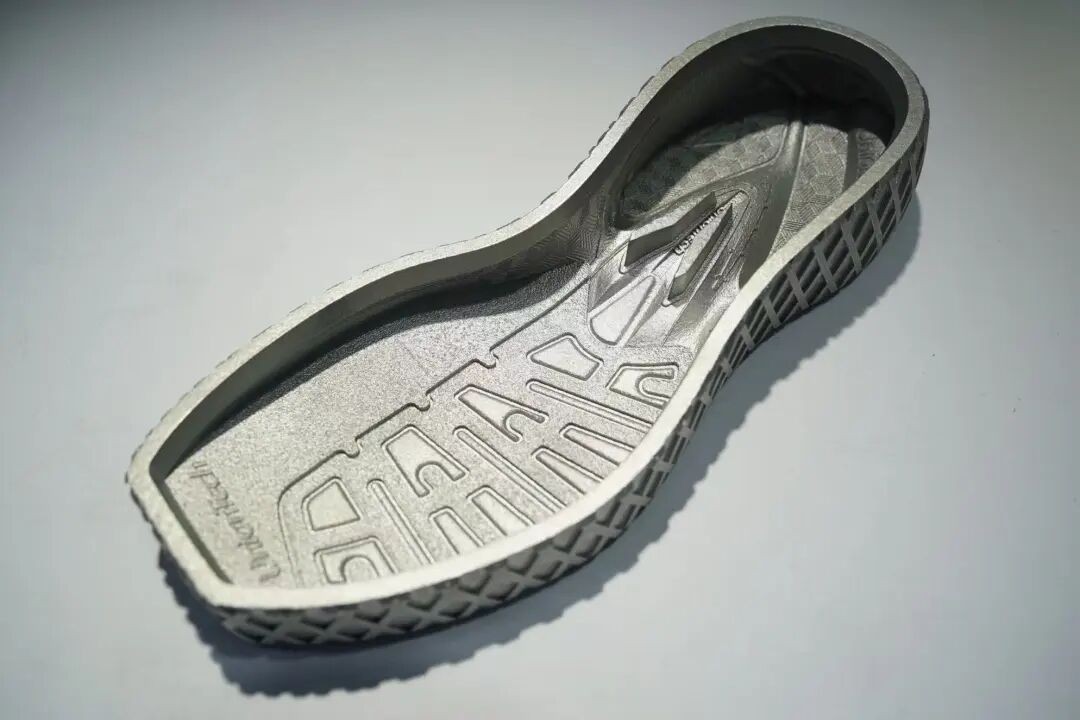
In the shoe mold manufacturing industry, traditional processes have long been plagued by three major pain points: long lead times, high costs, and limited design innovation. With the rise of 3D printing technology, metal shoe molds are undergoing a digital transformation. However, key challenges such as metal powder safety, printing precision, and integration with conventional workflows remain critical bottlenecks for mass production. Leveraging over a decade of experience in 3D printed shoe molds, UnionTech has developed a high thermal conductivity alloy material specifically for the footwear industry. By innovating at the material level, UnionTech has achieved breakthroughs in three key areas—safety performance, fine detail reproduction, and thermal conductivity restoration—making it the preferred material for 3D printed shoe molds.
High Safety:
No Dust Explosion Risk, More Reliable Shoe Mold Printing
Traditional aluminum alloy powders can ignite with just a spark and even explode when exposed to water (due to hydrogen gas generation). This creates significant safety management pressures on the shop floor. UnionTech’s high thermal conductivity alloy, formulated without magnesium, raises the ignition point of the powder to 730°C, reducing the hazard rating from ST3 (extremely explosive) to ST1. This means printing workshops can more easily pass safety inspections, operators can work with greater peace of mind, and the risk of shutdowns is greatly reduced. As a result, this material enables true around-the-clock mass production of shoe molds.

Superior Durability:
Finer Textures,
Long-Lasting Mold Integrity
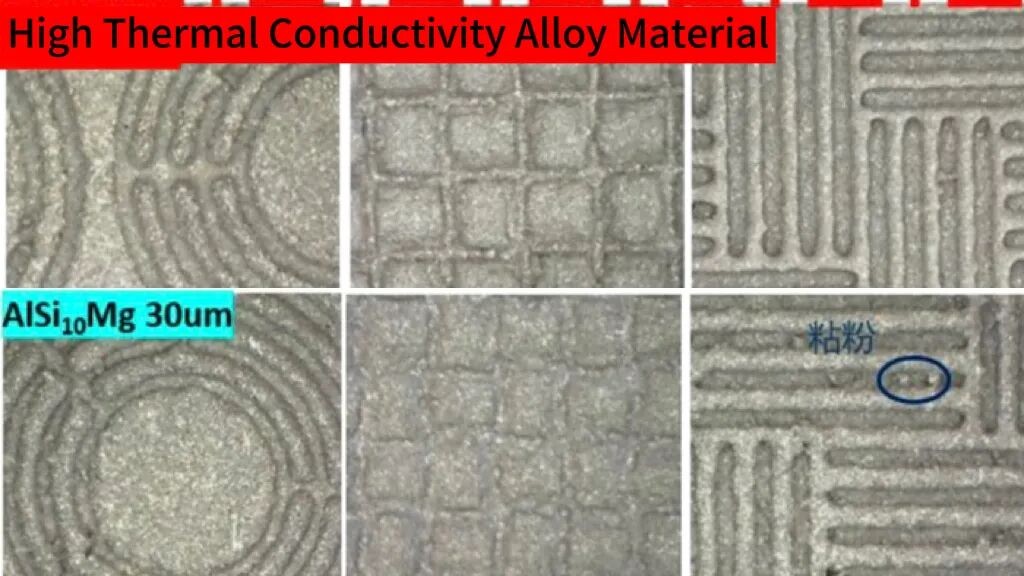
Fine brand logos and textured patterns (e.g., grain or “hanakata”) on shoe molds are often prone to wear over time. The high thermal conductivity alloy offers excellent wear resistance—even after tens of thousands of pressing cycles and repeated demolding, intricate details remain crisp and intact. At the same time, the mold material boasts high strength and good toughness, resisting deformation and cracking under repeated compression. This allows a single mold to produce more shoe soles consistently. Moreover, the printing process generates minimal spatter and avoids powder sticking, resulting in a smoother as-built surface. This makes subsequent operations such as mold repair or finishing extremely convenient, perfectly meeting the demands of traditional shoe mold mass production.
One Print, Complex Parts:
Mass Production,
Shorter Lead Times
When printing with the high thermal conductivity alloy, the infill area can be printed with thicker layers, greatly increasing printing speed. A mold that previously took a full day to print can now be completed in just over ten hours. After printing, the mold can often be used directly without post-print heat treatment, saving an additional 8–10 hours of annealing. Features such as undercuts and parting lines can be printed without supports at low overhang angles, and spherical surfaces show virtually no layer lines, drastically reducing manual polishing and rework. From order placement to mold delivery, the overall cycle time is significantly compressed, helping shoe manufacturers respond faster to new product development and large-scale production.
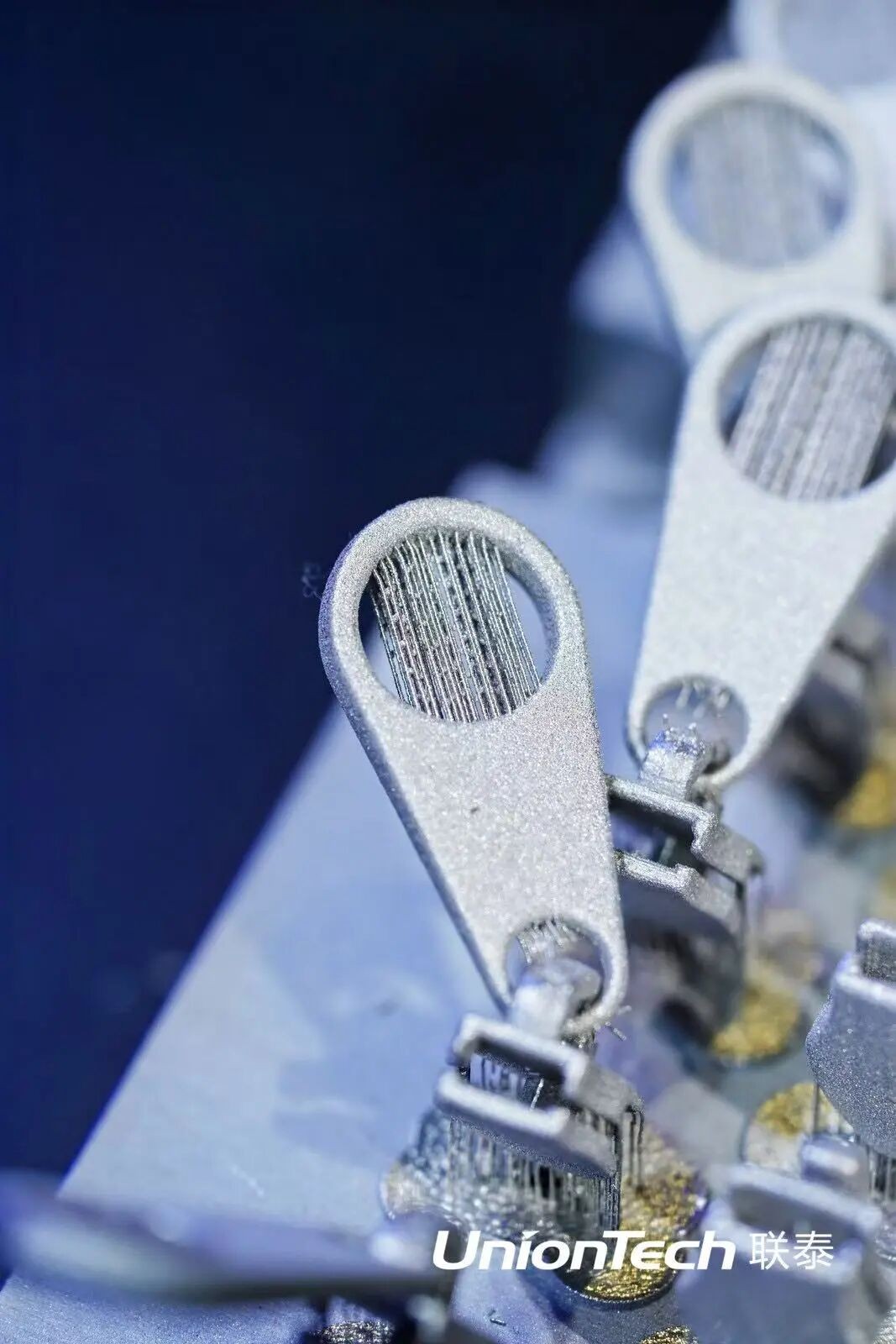
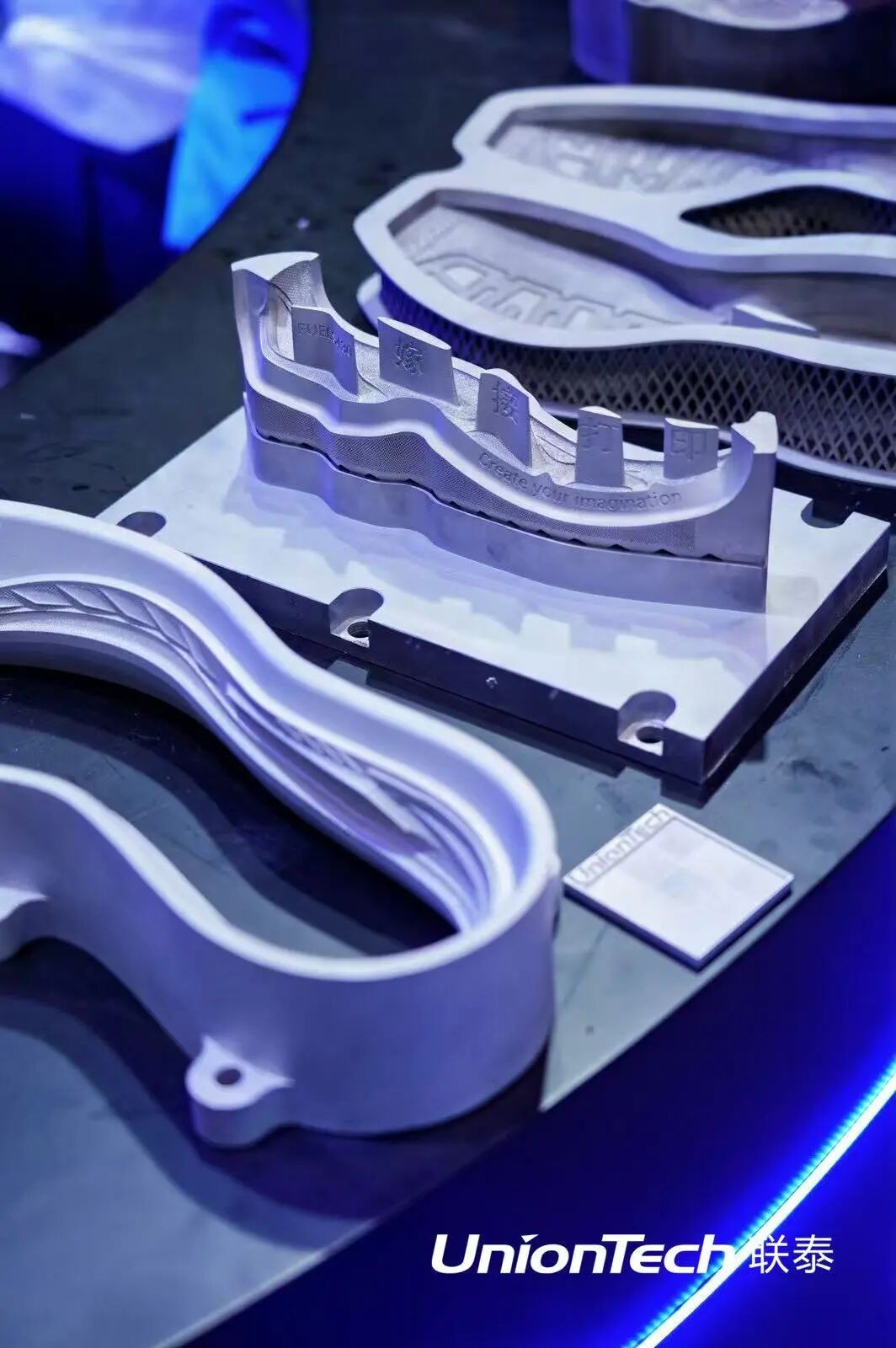

With its high safety, high strength, high precision, and ease of mass production, the high thermal conductivity alloy addresses the pain points of both traditional shoe molds and conventional 3D printing materials. It drives the shoe mold manufacturing industry from a cost-driven model toward a new phase of material innovation, process upgrading, and digitally integrated collaborative development—truly becoming a key material for mass production of 3D printed shoe molds.

在线咨询
微信咨询
 微信扫码咨询
电话咨询